
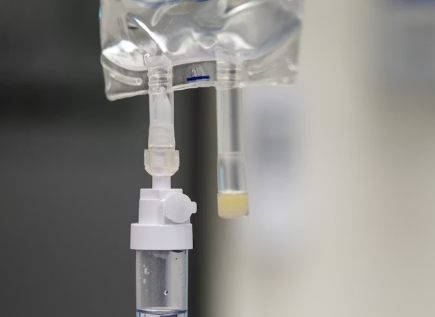
IV injections for food poisoning serves as a critical intervention when the body can no longer maintain its physiological balance through oral intake alone. While most cases of foodborne illness resolve with rest and sips of water. Certain scenarios transform a common stomach upset into a medical emergency. Understanding the threshold for intravenous therapy is vital for ensuring patient safety and rapid recovery.
The Role of IV injections for food poisoning in Dehydration
The primary reason medical professionals administer an IV injections for food poisoning is to combat acute dehydration. When a patient experiences relentless vomiting or profuse diarrhea, the rate of fluid loss often outpaces the ability to swallow liquids.
Intravenous rehydration bypasses the digestive tract entirely, delivering a precise mix of saline and essential electrolytes directly into the bloodstream. This method is superior in clinical settings because it:
- Restores blood volume almost instantaneously.
- Corrects electrolyte imbalances (such as sodium and potassium) that affect heart rhythm.
- Provides a reliable route for anti-nausea medication when oral pills cannot be kept down.
Recognizing Symptoms That Require Intravenous Therapy
Not every instance of “stomach flu” or food contamination requires a needle. However, specific “red flag” symptoms indicate that the body is struggling to compensate. Medical intervention becomes necessary when the following signs appear:
- Inability to Retain Liquids: If every attempt to drink results in immediate vomiting for more than 12 hours, the risk of kidney strain increases.
- Neurological Changes: Dizziness, lightheadedness upon standing, or extreme lethargy suggest that the brain and organs are not receiving adequate hydration.
- Physical Markers of Fluid Loss: A noticeable decrease in urination frequency, dark-colored urine, or a dry, “sticky” mouth are classic indicators of a deficit.
- Persistent High Fever: A fever exceeding 38.5°C (101.3°F) alongside gastric distress can accelerate fluid loss through sweating.
Beyond Hydration: Medication Delivery
In severe cases, especially those involving bacterial pathogens like Salmonella or Listeria, an IV line does more than just hydrate. IV injections for food poisoning acts as a gateway for pharmacological support. Physicians may use the IV to administer:
- Antiemetics: Powerful medications to stop the vomiting reflex.
- Antibiotics: Reserved for specific bacterial infections or vulnerable patients (such as the elderly or immunocompromised).
- Pain Management: To alleviate severe abdominal cramping that interferes with the patient’s ability to rest.
Clinical Outcomes and Recovery
Choosing to seek an IV injections for food poisoning often significantly shortens the recovery window. By stabilizing the internal environment, the body can focus its energy on neutralizing the pathogen rather than struggling to maintain basic blood pressure and organ function. Most patients report a dramatic improvement in energy levels and a reduction in pain within an hour of starting the infusion.